
Ever spent a weekend crafting a stunning wooden owl for your garden, only to find it warped, cracked, or devoured by termites three weeks later? You’re not alone. Many DIYers dive into wooden garden ornament ideas with enthusiasm—but skip the critical weatherproofing steps that separate charming decor from backyard debris. In this guide, we’ll walk you through durable, beautiful, and truly lasting approaches to elevate your outdoor space without repeating rookie errors.
Table of Contents
- Why Wooden Garden Ornaments Matter in Home Improvement
- Step-by-Step Guide to Creating & Placing Wooden Ornaments
- Top Best Practices for Long-Lasting Appeal
- Real-World Examples That Stood the Test of Time
- Frequently Asked Questions
Key Takeaways
- Not all wood is suitable for outdoor use—cedar, redwood, and teak outperform pine or birch.
- Sealing must happen on all surfaces, including end grains, to prevent moisture wicking.
- Elevation off the ground drastically reduces rot and pest damage.
- Simplicity often beats complexity—elaborate carvings trap water and degrade faster.
Why Wooden Garden Ornaments Matter in Home Improvement
In the realm of outdoor decor, wooden garden ornaments offer unmatched warmth and organic texture compared to plastic or metal alternatives. They blend seamlessly with natural landscapes while adding personality—a whimsical gnome, a carved birdhouse, or a rustic sundial can transform a bland yard into a curated sanctuary. According to the National Association of Landscape Professionals, 78% of homeowners say thoughtful outdoor accents increase perceived property value.
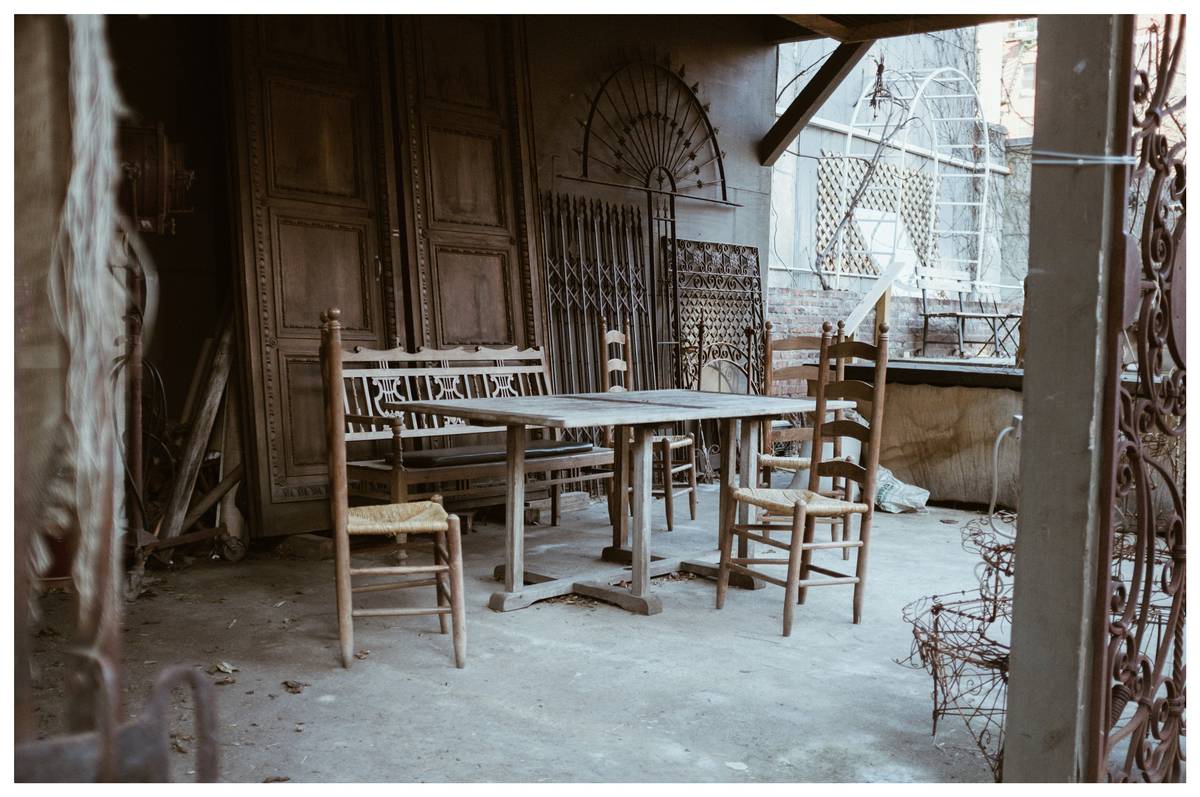
But here’s the catch: untreated or improperly maintained wood deteriorates fast. I learned this the hard way when I installed a beautifully carved wooden butterfly cluster at ground level. Within two rainy months, it became a soggy home for slugs—not exactly the ambiance I’d envisioned. Don’t let your creativity rot before its time.
Step-by-Step Guide to Creating & Placing Wooden Ornaments
Choose the Right Wood Species
Stick to naturally rot-resistant woods like cedar, redwood, white oak, or teak. Avoid softwoods like pine unless pressure-treated—and even then, they rarely last more than 2–3 seasons unsealed. The U.S. Forest Service confirms that heartwood from certain species contains natural oils that repel insects and resist decay (U.S. Forest Service).
Design for Drainage and Airflow
Avoid flat, horizontal surfaces where water pools. Angle roofs on birdhouses, drill weep holes in bases, and carve grooves that channel rain away. I once made a wooden frog with cupped hands—classic mistake. It turned into a mosquito nursery after one storm.
Seal Thoroughly (Inside and Out)
Apply exterior-grade spar urethane or marine varnish to every surface—including cut ends and undersides. Reapply annually. Never skip the first coat; bare wood absorbs moisture like a sponge.
Elevate Off the Ground
Mount ornaments on posts, hang them from trees, or place them on stone pavers. Direct soil contact accelerates fungal growth and invites pests. Even 2 inches of elevation can double lifespan.
Top Best Practices for Long-Lasting Appeal
- Avoid painted finishes in high-sun areas: Paint cracks under UV exposure. Use stains or clear sealers instead.
- Never use indoor glue or nails: Opt for stainless steel screws and exterior-rated epoxy.
- Clean gently: Scrub with mild soap and water—never power wash, which forces moisture into grain.
- Terrifying “pro tip” to avoid: “Just bury the base in gravel—it’ll drain fine.” Nope. Gravel retains moisture against wood. Always use non-porous barriers like slate or concrete.
Real-World Examples That Stood the Test of Time
A homeowner in Portland, Oregon, installed a series of cedar totem poles treated with linseed oil and elevated on copper pipes. After five years—and countless rainstorms—they showed only minor graying, no rot. Compare that to a neighbor’s pine owl mounted directly on mulch: gone in 14 months.
At Vangelder Bus, we’ve seen clients achieve similar longevity by combining smart material choices with our team’s decades of landscaping expertise. One client’s reclaimed barn wood wind chime—properly sealed and hung under an eave—has charmed visitors for over seven years.
Frequently Asked Questions
What’s the best wood for outdoor garden ornaments?
Cedar and redwood are top choices due to natural oils that resist rot and insects. Teak is excellent but costly.
How often should I reseal wooden ornaments?
Annually for most climates. In humid or rainy regions, inspect every six months and reapply if water no longer beads on the surface.
Can I use salvaged wood for garden ornaments?
Only if it’s untreated and from a rot-resistant species. Never use wood treated with CCA (chromated copper arsenate)—it leaches toxins into soil.
Do wooden ornaments attract pests?
Poorly maintained pieces can invite carpenter ants or termites. Proper sealing and elevation eliminate most risks.
Are there eco-friendly sealants?
Yes—look for plant-based oils like tung or linseed (boiled) with UV inhibitors. The EPA notes these break down safely compared to synthetic varnishes (EPA).
Where can I get help designing custom pieces?
If you’re ready to create something truly unique, contact us—we collaborate on bespoke installations that honor both aesthetics and durability. And don’t worry—we respect your privacy, as outlined in our Privacy Policy.
Remember: great garden art isn’t just seen—it survives. So choose wisely, seal thoroughly, and let your wooden garden ornament ideas grow old gracefully alongside your favorite perennials.
After all, a well-crafted wooden heron by the pond isn’t just decor—it’s a silent witness to your garden’s story, season after season.