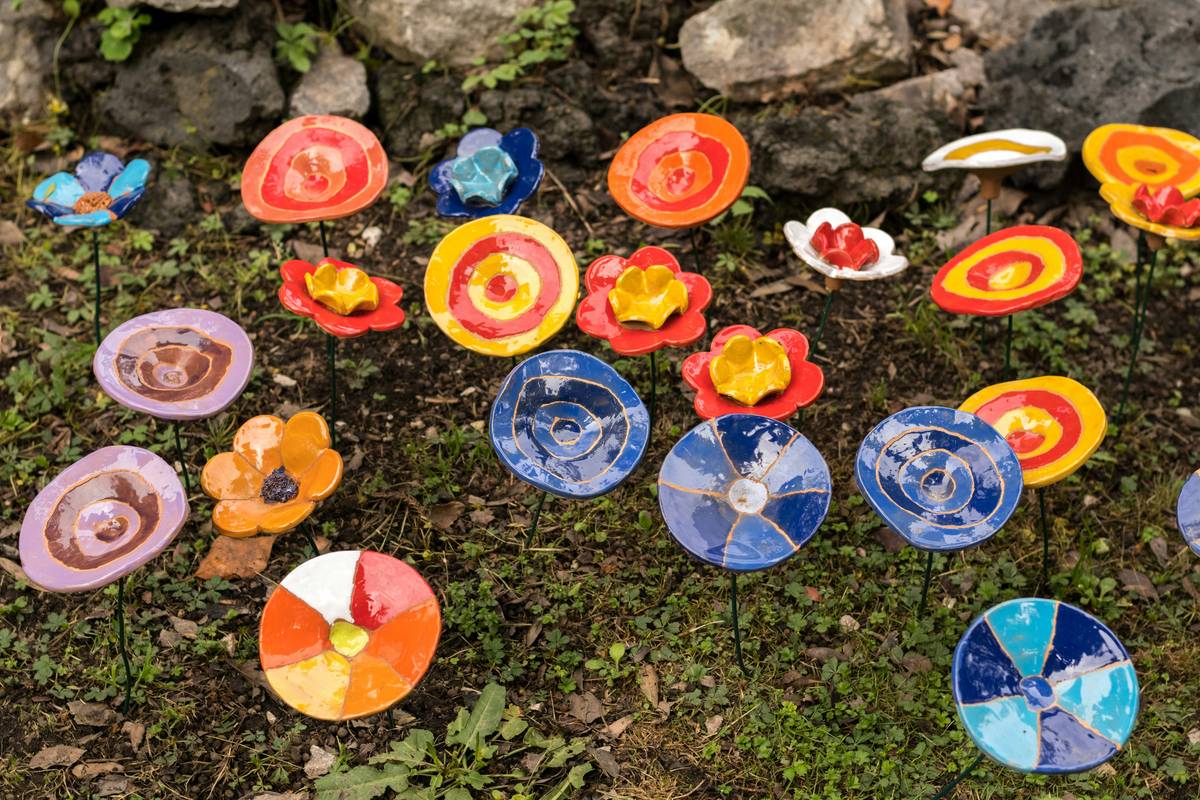
If you’ve ever stared at your backyard feeling like it’s missing soul—not just plants, but personality—you’re not alone. I once dropped $200 on a “rustic” metal dragon only to watch it warp, crack, and fade into a sad, sun-bleached paperweight by July. That stung. But it taught me that great garden ornaments ideas aren’t just about aesthetics—they’re about smart material choices, scale, and storytelling. In this guide, we’ll walk through seven actionable strategies to elevate your outdoor space without blowing your budget or repeating rookie errors.
Table of Contents
- Why Garden Ornaments Matter in Home Improvement
- Step-by-Step Guide to Choosing & Placing Garden Ornaments
- Best Practices for Long-Lasting Impact
- Real-World Examples That Work
- Frequently Asked Questions
Key Takeaways
- Avoid oversized or mismatched ornaments—they overwhelm, not enhance.
- Prioritize weather-resistant materials like cast stone, ceramic, or powder-coated metal.
- Use focal points strategically: place statues near seating areas or garden paths for maximum engagement.
- Less is more—three thoughtfully placed pieces beat ten cluttered ones.
- Always consider maintenance; porous materials trap algae and require seasonal cleaning.
Why Garden Ornaments Matter in Home Improvement
In the realm of home improvement, outdoor spaces are no longer afterthoughts—they’re extensions of your living area. According to the American Society of Landscape Architects (ASLA), 87% of homeowners now prioritize “outdoor living” features when renovating. Garden ornaments play a quiet but powerful role: they convey style, evoke mood, and even increase perceived property value. Done right, a well-placed birdbath or abstract sculpture can transform a patch of grass into a curated retreat.
Step-by-Step Guide to Choosing & Placing Garden Ornaments
Assess Your Space First
Walk your yard at different times of day. Note sun exposure, foot traffic, and sightlines from windows. A shady corner suits moss-friendly stone, while full-sun zones demand UV-resistant finishes.
Match Style to Architecture
Your Craftsman bungalow? Lean into handcrafted ceramic or wrought iron. Mid-century modern? Go geometric with concrete or brushed steel. Clashing styles create visual chaos, not charm.
Scale Matters—Way More Than You Think
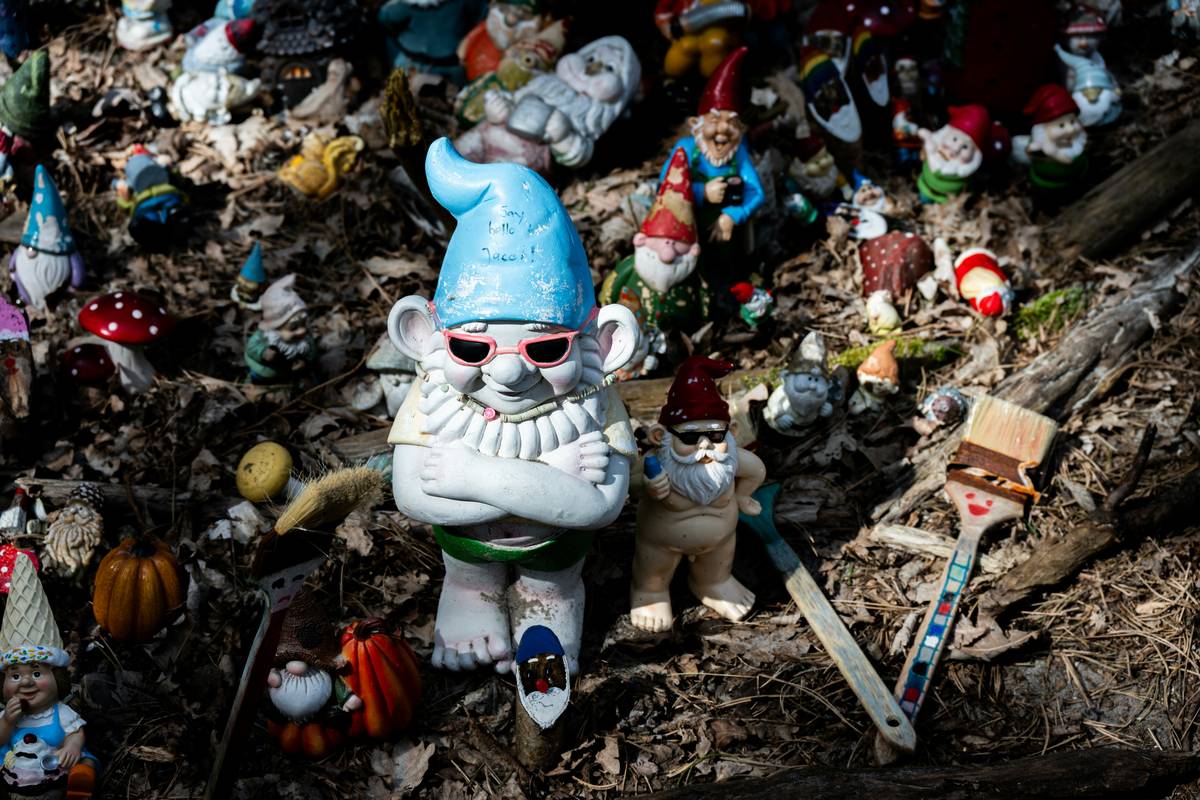
I learned this the hard way. My overzealous dragon was twice the height of my patio table. Rule of thumb: ornaments should occupy no more than one-third the visual space of their surroundings. A small bench? Pair it with a 12-inch gnome, not a life-sized heron.
Best Practices for Long-Lasting Impact
- Choose durable materials: Cast stone, fiberglass-reinforced concrete, and marine-grade stainless steel withstand freeze-thaw cycles better than cheap resin. The USDA Plant Hardiness Zone Map can help gauge local climate demands (USDA.gov).
- Anchor heavy pieces: Prevent tipping during storms by securing bases with landscape stakes or concrete footings.
- Clean seasonally: Use a soft brush and mild soap—never pressure wash porous surfaces. Algae buildup isn’t just unsightly; it accelerates deterioration.
- Avoid the “theme park” trap: Mixing Greek gods, cartoon animals, and Zen Buddhas rarely reads as eclectic—it reads as confused. Pick one narrative thread.
Real-World Examples That Work
A 2023 Houzz Outdoor Trends Study found that 64% of landscape pros recommend using “repetition with variation” for ornament placement—e.g., three similar birdhouses at staggered heights along a fence line. One homeowner in Portland used this tactic with copper rain chains and matching leaf-shaped wall hangings, boosting curb appeal so dramatically that neighbors asked for referrals. Their secret? Consistency in material (copper) and spacing (even intervals), not quantity.
At Vangelder Bus, we’ve seen clients achieve stunning results by starting small. Our About Us page shares how our team’s hands-on experience with outdoor installations informs every recommendation we make.
Frequently Asked Questions
What are the best garden ornaments for small yards?
Opt for vertical elements: wall-mounted planters with integrated sculptures, hanging glass orbs, or slender kinetic spinners. They add interest without eating precious ground space.
How do I prevent garden statues from fading?
Apply a UV-protective sealant annually. For painted items, use exterior-grade acrylics—never interior craft paint. Store delicate pieces indoors during harsh winters.
Are solar-powered garden ornaments worth it?
Sometimes. Quality varies wildly. Look for models with replaceable batteries and IP65+ water resistance. Cheap ones often dim within months.
Can garden ornaments increase home value?
Indirectly, yes—by enhancing curb appeal and creating emotional resonance during showings. However, overly personal or whimsical pieces (e.g., giant flamingos) may deter buyers. Keep it tasteful.
Where should I avoid placing garden ornaments?
Never block walkways, irrigation lines, or sightlines to security cameras. Also, skip placing them directly under trees—sap and falling debris cause staining and damage.
Do I need permission to install large garden sculptures?
Check local zoning laws. Some HOAs or municipalities restrict height, material, or placement near property lines. When in doubt, contact your city planning office—or reach out to us for guidance.
Great gardens don’t happen by accident—they’re edited, refined, and personalized over time. Start with one meaningful piece. Let it speak. Then listen. And if you’re ever unsure whether that mosaic owl belongs beside your hydrangeas, remember: the best garden ornaments ideas feel inevitable, not inserted. Ready to bring your vision to life? Contact us—we’d love to help. For peace of mind on data handling, review our Privacy Policy.
Stone remembers. Metal sings in the wind. Your garden? It’s waiting to tell your story—one ornament at a time.