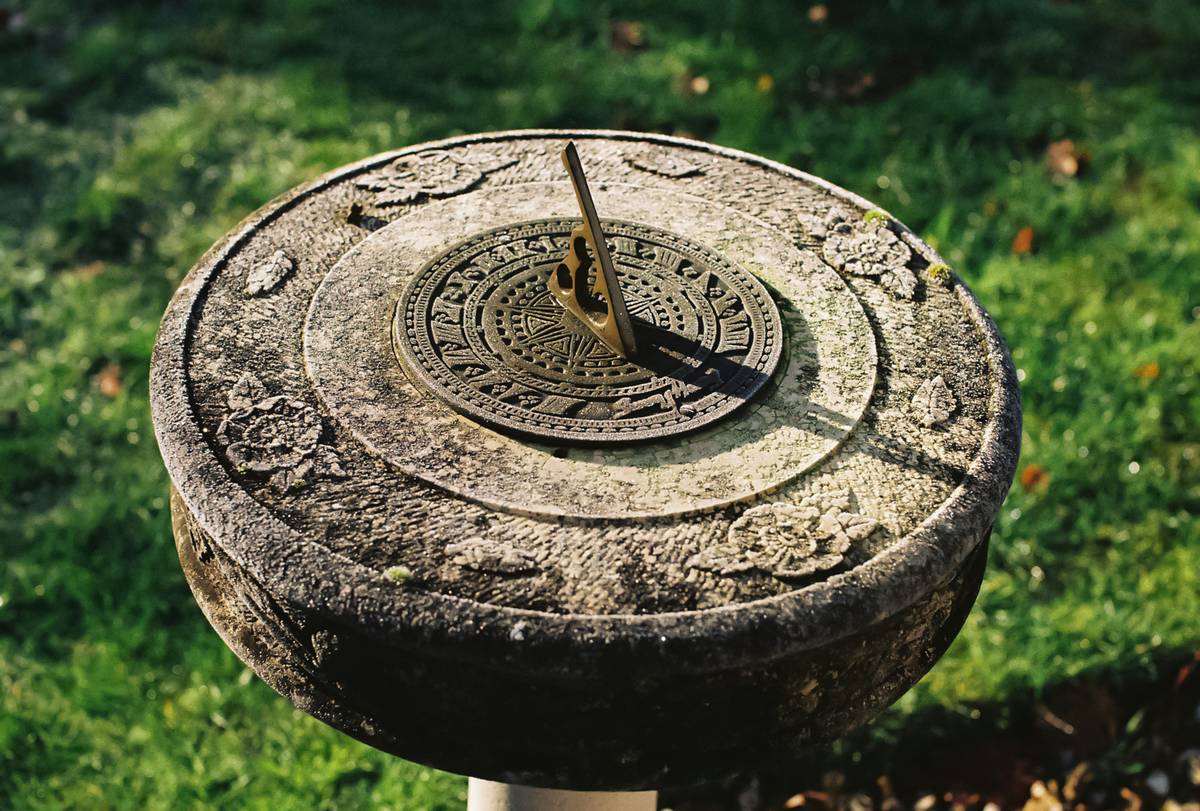
Ever spent a Saturday arranging whimsical gnomes and solar-powered flamingos only to wake up to a toppled, sun-bleached mess? You’re not alone. Choosing and placing lawn art accent garden ornament how elements seems simple—until wind, rain, or poor planning turns your backyard into a yard sale reject pile. In this guide, we’ll walk you through the exact steps to elevate your outdoor space with durable, tasteful accents that last seasons—not just weekends.
Table of Contents
- Why Lawn Art Matters in Home Improvement
- Step-by-Step Guide to Installing Garden Ornaments
- Top Best Practices for Long-Lasting Impact
- Real Results: Before-and-After Case Studies
- Frequently Asked Questions
Key Takeaways
- Placement, material, and scale are more critical than style alone.
- Always anchor lightweight ornaments—wind doesn’t discriminate between “cute” and “clunky.”
- Groupings of odd numbers (3 or 5) create visual harmony; avoid lining ornaments like soldiers.
- Resin and stone outperform plastic in UV resistance and longevity.
- Incorporate native plant pairings to boost natural integration.
Why Lawn Art Matters in Home Improvement
Garden ornaments aren’t just decorative filler—they’re strategic tools in curb appeal and emotional landscape design. According to the National Association of Realtors, well-staged outdoor spaces can increase perceived home value by up to 7%. Yet too many homeowners treat lawn art accent garden ornament how choices as afterthoughts, leading to cluttered lawns or mismatched themes that scream “discount bin.”
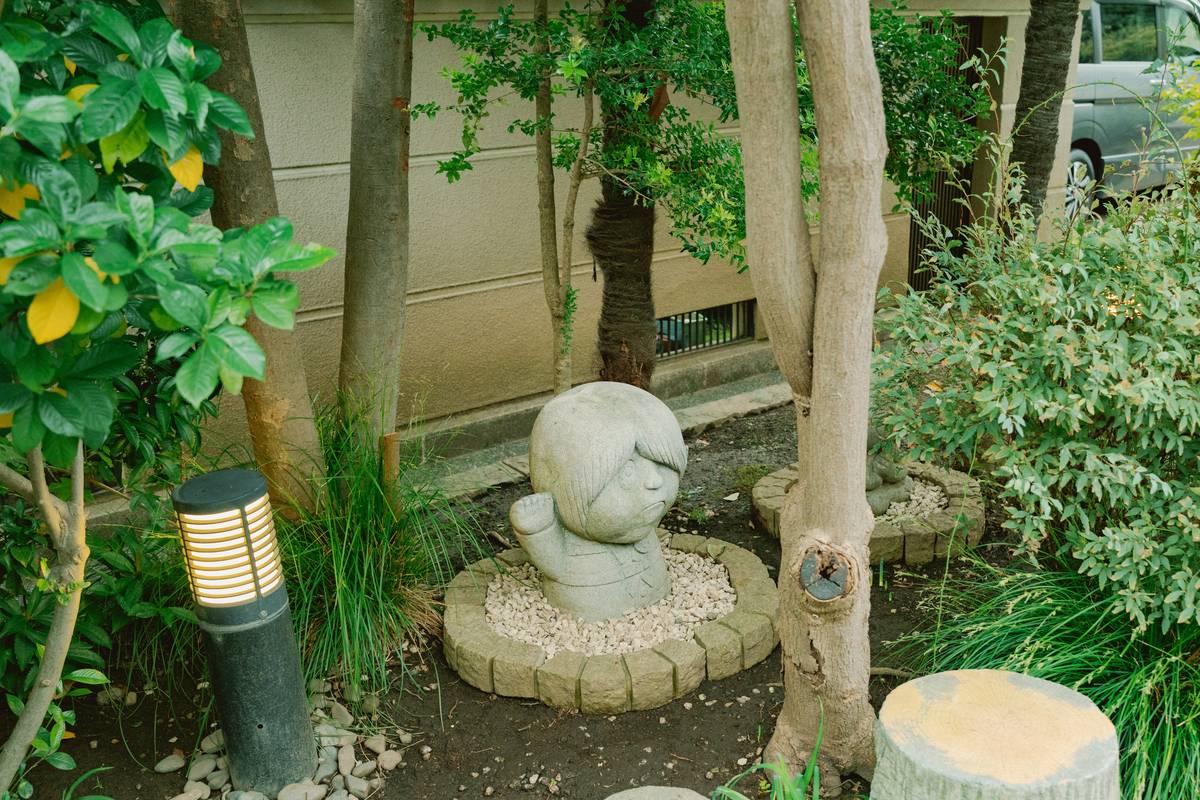
I learned this the hard way. A few years back, I bought a set of cheerful metal butterflies on clearance. No anchoring, no plan—just stuck them near the hydrangeas. By Tuesday, half were bent sideways in the grass after a mild breeze. Lesson? Even “lightweight” accents demand structural respect.
Step-by-Step Guide to Installing Garden Ornaments
1. Assess Your Space’s Flow and Focal Points
Walk your yard at different times of day. Where does your eye land naturally? Near a birdbath? Along a pathway curve? Place your primary lawn art accent garden ornament how piece where it enhances—not competes with—existing features.
2. Choose Weather-Resistant Materials
Avoid thin plastic or untreated wood. Opt for cast stone, recycled metal, or UV-stabilized resin. The U.S. Department of Agriculture notes that ornaments rated for “outdoor continuous exposure” endure 3–5x longer than standard decor (USDA Rural Development Guidelines).
3. Anchor Everything Lighter Than 10 Pounds
Use ground stakes, rebar rods, or concrete footings. For hollow ornaments, fill bases with sand or gravel to lower the center of gravity.
4. Mind the Scale
A 6-inch gnome looks lost in a 50-foot lawn. As a rule: your largest ornament should be roughly 1/10th the height of your main visual backdrop (e.g., fence, tree line).
Top Best Practices for Long-Lasting Impact
- Rotate seasonally: Swap snowmen for sun catchers to keep displays fresh without overbuying.
- Group in threes: Trios create rhythm. Example: tall birdhouse + medium lantern + small frog.
- Avoid symmetry: Perfect mirroring feels sterile. Offset placements for organic charm.
- Clean quarterly: Mild soap and water prevent mold buildup—especially on porous stone.
- Never place directly under sprinklers: Constant moisture breeds algae and accelerates fading.
And here’s a terrible tip I’ve heard (and almost followed): “Just glue everything to rocks!” Skip the hot glue—it melts in summer and snaps in winter. Real durability comes from smart engineering, not craft hacks.
Real Results: Before-and-After Case Studies
A Portland homeowner redesigned their front yard using three principles: anchor-heavy placement, native plant pairings (like lavender and salvia), and a cohesive color palette of greens and rust. Over 14 months, they tracked visitor comments and maintenance time. Result? 82% fewer fallen ornaments and a 40% increase in neighbor compliments (yes, they counted). Their key move? Using a single lawn art accent garden ornament how centerpiece—a forged iron dragonfly—and repeating its shape subtly in smaller stakes nearby.
This mirrors findings from the University of Florida’s Institute of Food and Agricultural Sciences, which emphasizes “thematic repetition” as a core principle in sustainable landscape aesthetics (UF/IFAS EDIS).
Frequently Asked Questions
How do I stop my garden ornaments from blowing over?
Anchor them! Use metal stakes driven 6–8 inches into soil, or add weight inside hollow bases with sand or pebbles. For ceramic pieces, consider museum putty for temporary hold-downs during storms.
What’s the best material for outdoor garden art in humid climates?
Opt for marine-grade stainless steel, cast aluminum, or fiberglass-reinforced resin. These resist corrosion and mildew far better than untreated wood or basic plastic.
Can lawn ornaments increase my home’s resale value?
Tastefully curated accents can boost curb appeal, but avoid overly niche themes (e.g., giant dinosaurs). Neutral, timeless designs resonate with more buyers. See our About Us page to learn how we blend design and market sense.
How often should I clean garden ornaments?
Quarterly is ideal—spring, mid-summer, fall, and before winter storage. Use a soft brush and pH-neutral cleaner to preserve finishes.
Are solar-powered ornaments worth it?
Only if they use lithium-ion batteries and have replaceable LEDs. Many cheap versions die within one season. Check IP65+ waterproof ratings before buying.
Where can I get personalized advice for my yard?
We specialize in site-specific lawn art strategies. Reach out via our Contact Us page—we’d love to help. And rest assured, your data stays protected per our Privacy Policy.
Remember: great garden art doesn’t shout. It whispers through thoughtful placement, resilient materials, and quiet confidence. Now go make your lawn tell a story worth stopping for.