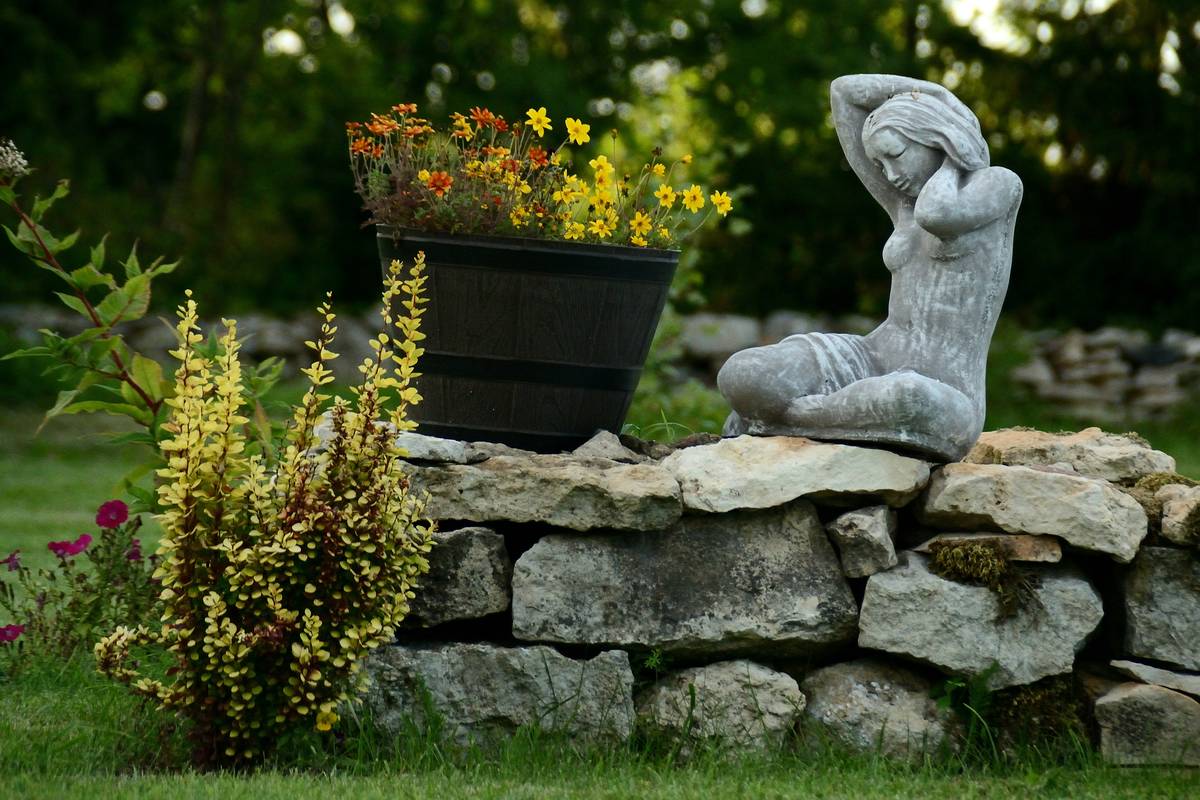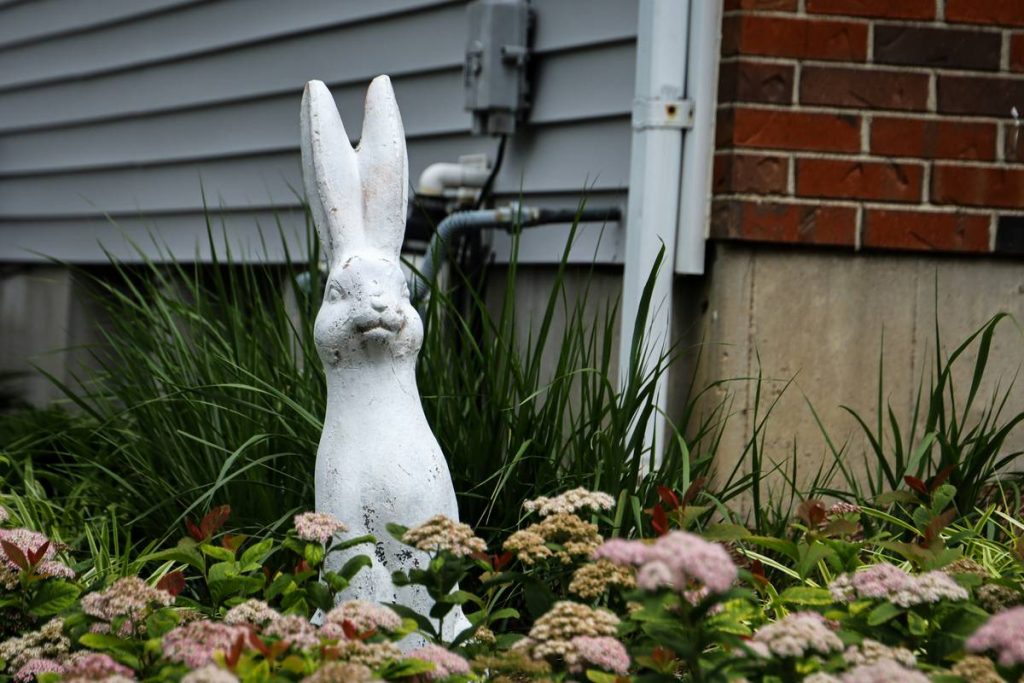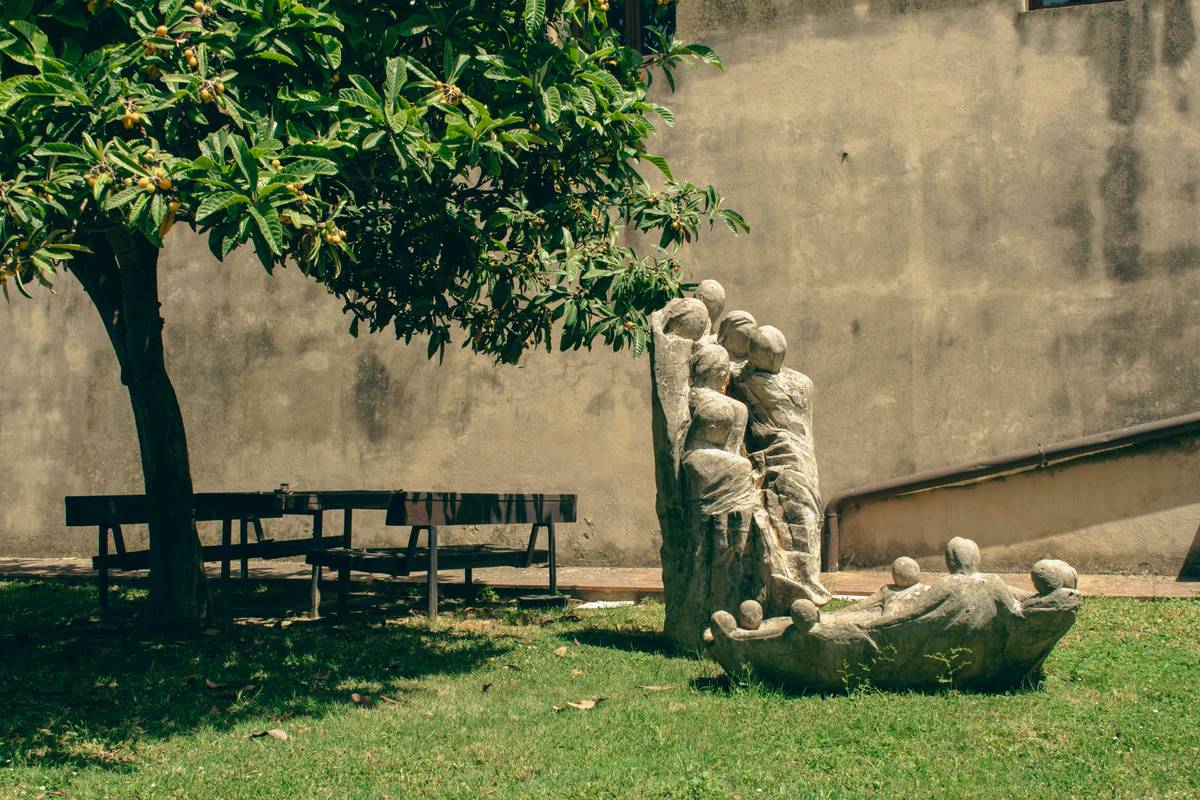
You spent weekends laying pavers, pruning hedges, and installing irrigation—only to realize your garden still feels… empty. Generic plastic flamingos or mass-produced stone cherubs won’t cut it. They scream “afterthought,” not “intentional design.” The fix? Thoughtfully chosen garden statues for outdoor decor that anchor your landscape with personality, scale, and quiet authority.
Why Most Garden Statues Fail Within a Year
It’s not about taste—it’s about material science. Homeowners buy cheap resin statues because they’re light and affordable. Then winter hits. UV degrades the surface. Freeze-thaw cycles crack hollow cores. Within 18 months, you’re hauling brittle fragments to the curb. And iron? Unless it’s properly powder-coated or made from weathering steel (Corten), rust bleeds into your gravel like an open wound.
Here’s the reality: durability isn’t optional. It’s the baseline.
How to Choose & Place garden statues for outdoor decor That Last
Match Material to Microclimate
Your Pacific Northwest drizzle demands different resilience than Arizona’s dry UV blast. Concrete and bronze thrive almost anywhere. Wood? Only if sealed annually. Avoid anything with internal voids—they trap moisture and explode in frost.
Scale With Purpose—Not Whim
A 3-foot angel dwarfed by a two-story colonial looks lost. But tucked beside a petite cottage entry? Perfect. Measure your sightlines. Stand where guests approach. If the statue disappears against foliage or architecture, it’s too small—or poorly sited.
Anchoring Isn’t Optional
Wind flips lightweight sculptures like pancakes. Bury a rebar stake into the base and secure it in concrete. For heavy pieces, use construction adhesive on stone pads. Skip this? You’ll chase your Buddha across the lawn after every storm.
| Material | Upfront Cost | Lifespan (Years) | Best For |
|---|---|---|---|
| Cast Stone | $$ | 15–25 | Traditional gardens, humid climates |
| Weathering Steel (Corten) | $$$ | 30+ | Modern landscapes, arid zones |
| Fiberglass-Reinforced Resin | $ | 3–7 | Rental yards, temporary displays |
| Bronze | $$$$ | 100+ | Heirloom pieces, formal estates |
The Industry Secret: Statues Should Disappear
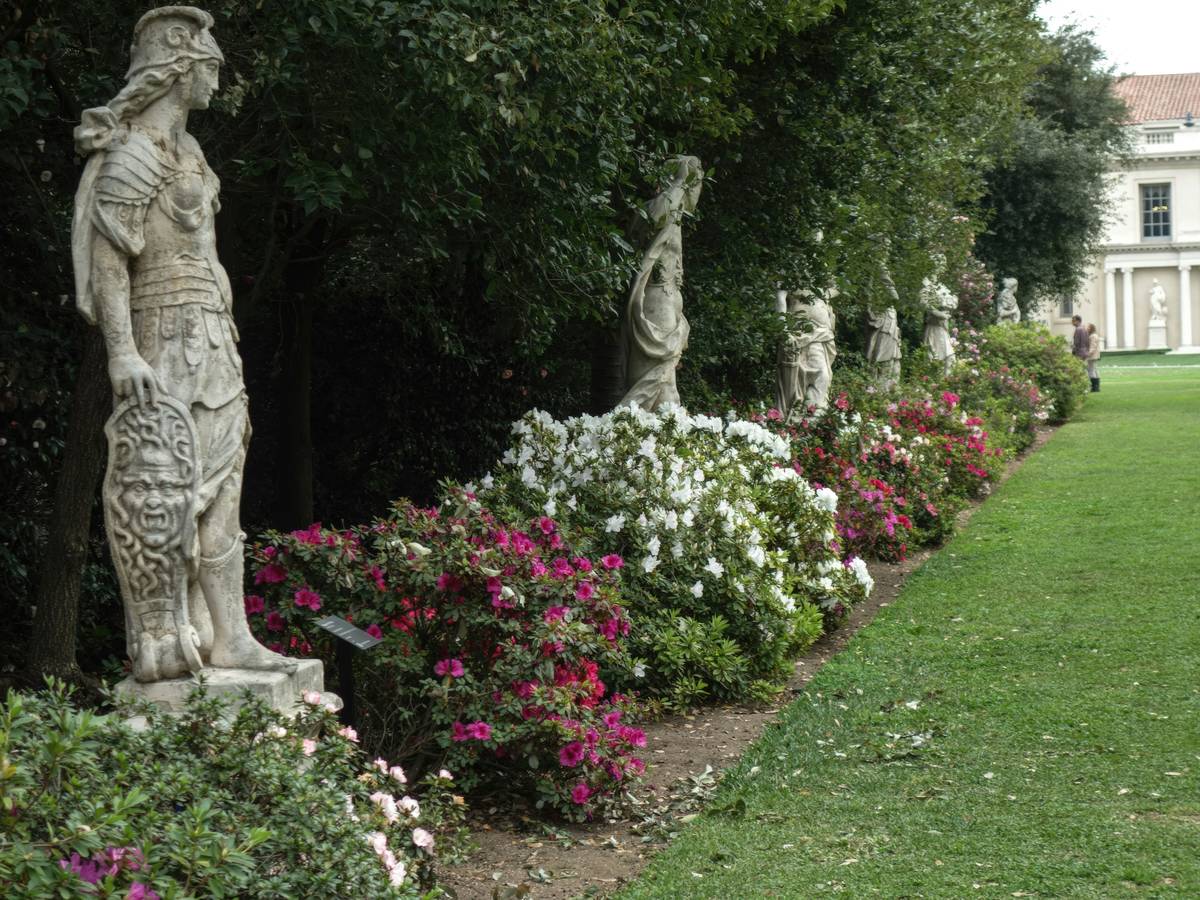
Top landscape architects don’t place statues to be seen—they place them to be felt. The best garden sculptures create negative space, guide movement, or frame views without shouting. Think of a subtle heron silhouette at the pond’s edge—not center stage, but visible only when you pause on the stepping stone path. That restraint builds mystery. And mystery keeps people walking deeper into your garden. Mass retailers sell “statement pieces.” Pros sell atmosphere.
And yes—sometimes the right move is no statue at all. Let a twisted olive branch or a mossy boulder carry the weight.
Frequently Asked Questions
Can I leave metal garden statues outside year-round?
Only if they’re made from Corten steel, bronze, or fully powder-coated aluminum. Untreated iron or thin cast metal will corrode rapidly in rain or snow.
How do I clean algae off stone garden statues?
Scrub gently with a mix of one part white vinegar to three parts water. Never use bleach—it eats into porous stone and kills nearby plants.
Where should I avoid placing garden statues?
Don’t block walkways, obscure security sightlines, or cluster them like souvenir shop clutter. One strong focal point beats five competing distractions.